Acidity
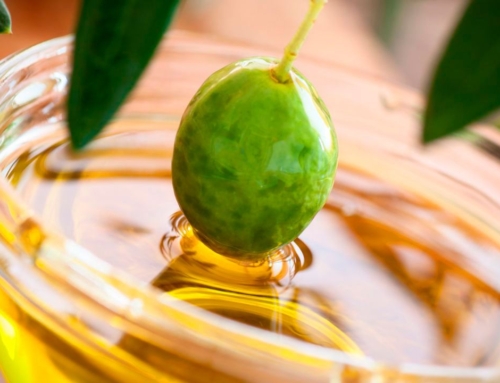
To determine product quality a chemical analysis is used in the laboratory and a sensory evaluation through tasting is performed. The acidity of an olive oil is determined by its content of free fatty acids and is expressed in grams of oleic acid per every 100 grams of oil. These degrees of acidity are unrelated to the intensity of flavor, but are rather a measure to catalog oils and quality.
Color
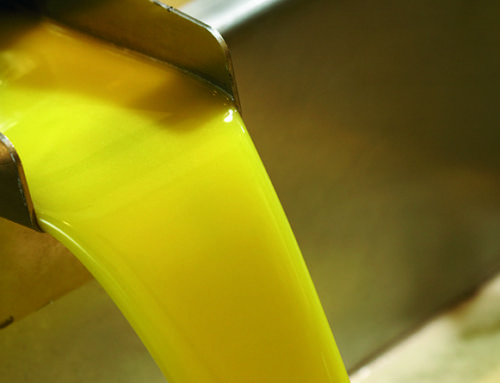
The chromatic range of extra virgin olive oils extends from the most intense gold to the darkest green. The human eye can deem some more palatable earlier than others, depending on the personal tastes of each. However, the color of extra virgin olive oil is not indicative of its quality.
Date of Preferred Consumption
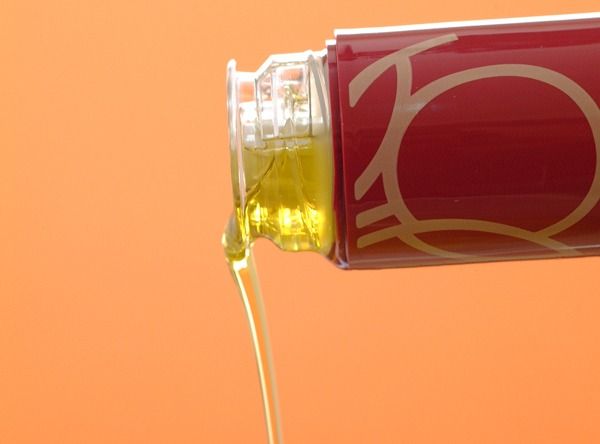
The extra virgin olive oil does not have an expiration date itself. However, it is sold with a best before date. This depends mainly on the variety that is produced and the way in which it was preserved. In any case, extra virgin olive oils retain their nutritional and organoleptic properties until the date on the container. After that time, the oil can still be consumed without any health risk, but quickly loses its organoleptic qualities (taste and odor) and part of its healthy qualities.